

Technological Innovation | New Energy‑Saving Rotary Kiln
Published:
2026-03-10 07:55
Source:
Energy‑saving Rotary Kiln for Molybdenum Iron Roasting As the most critical piece of equipment in the roasting process, it has undergone several technological upgrades and is now fully mature. However, during actual operation, due to limitations in its internal structure, the following issues arise: Drawbacks and Problems :
1. There is a significant temperature difference between the inner and outer cylinders, so an expansion device must be installed. Over time, this structure may develop weld cracks and damage.
2. Expansion joints must be预留 in the castable material at the expansion device, as this area experiences concentrated thermal expansion and deformation of the cylinder, making the castable material prone to spalling and damage, which can in turn lead to ablation and deformation of the cylinder.
3. After prolonged use, once the insulation material has carbonized, repairing or replacing it becomes extremely difficult—requiring the removal of the entire inner cylinder and castable material, which necessitates dismantling the inner cylinder and rebuilding it from scratch, resulting in a lengthy construction period and high operational complexity.
4. The insulation layer at the expansion joint is relatively thin, resulting in poor thermal insulation; the annular support flange of the inner cylinder conducts heat. Due to these two reasons, an annular high-temperature zone appears on the outer cylinder.
5. The internal utilization rate of the kiln shell is not high; since production is directly proportional to the square of the kiln shell’s effective inner diameter, its output remains relatively low.
New Type of Energy‑Saving Rotary Kiln Modify the air ducts of the rotary kiln cylinder. 、 Insulation Layer Structure Type Having successfully resolved the aforementioned issues, the new energy‑efficient rotary kiln offers the following advantages compared to previous models: Advantages :
1. For rotary kilns of the same specifications, the effective inner diameter is increased. For equipment of the same specifications, output has increased by more than 20%.
2. Internal is Integral structure , no expansion device is installed, no There are instances of welds on the cylinder body being open and damaged.
3. The entire The cylinder expands uniformly. There is no centralized expansion or contraction zone, thereby avoiding the issue of localized spalling of the castable. Furthermore, the castable… Increased thickness Up to 120mm, significantly Improve the service life of castables.
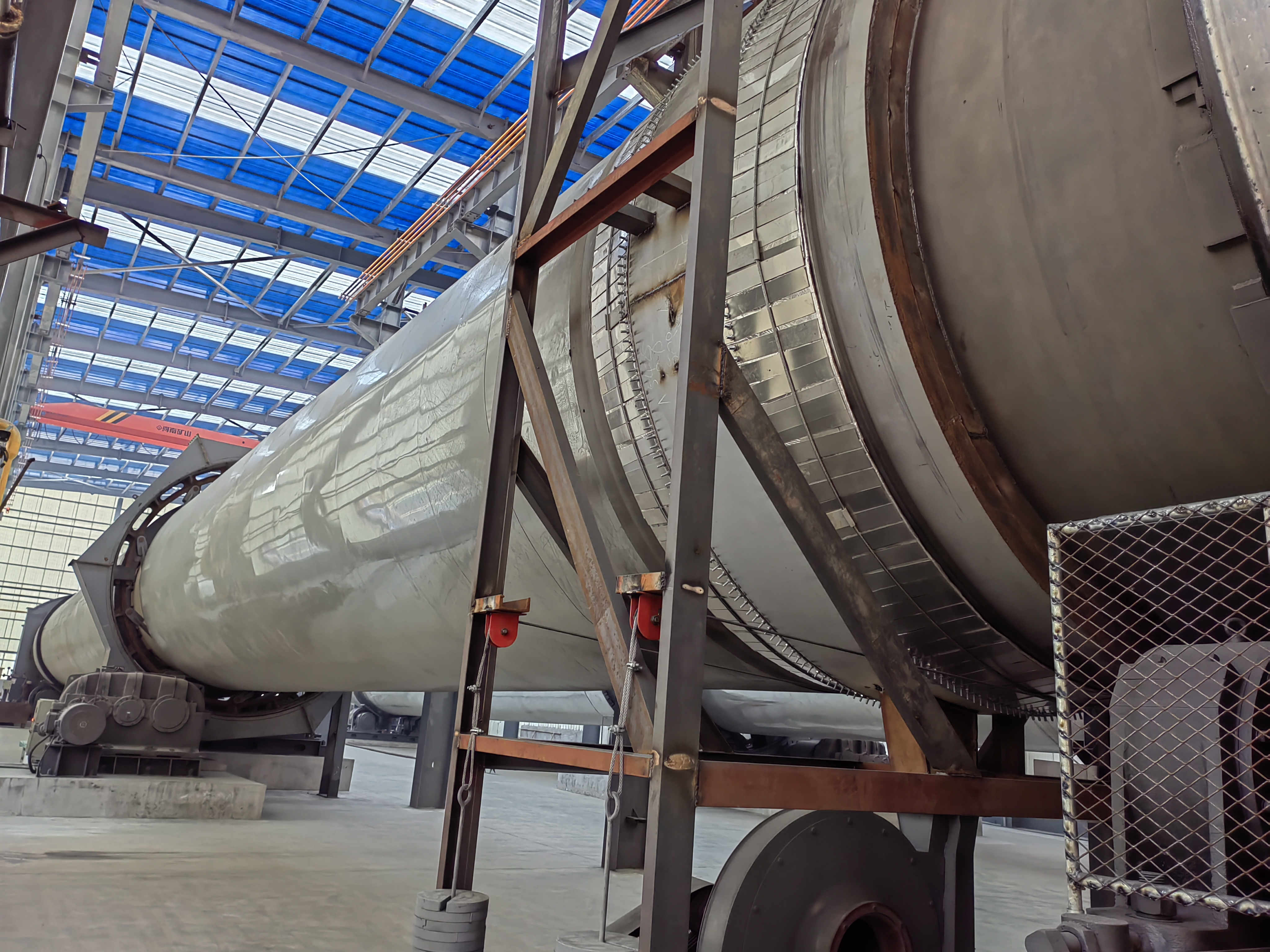
4. The insulation layer is installed on the outside of the cylinder. Replacing or repairing the insulation layer does not require disturbing the inner cylinder or the castable material, and the replacement is performed from the outside. Simple and fast construction. Quick.
5. Carry out insulation work on the entire outer surface of the cylinder. , the construction results are better and more… Ensure its thermal insulation performance.
6. The heated air after heat exchange is introduced into the rotary kiln for further… Increase equipment output per hour.
7. More suitable for retrofitting existing products. 。
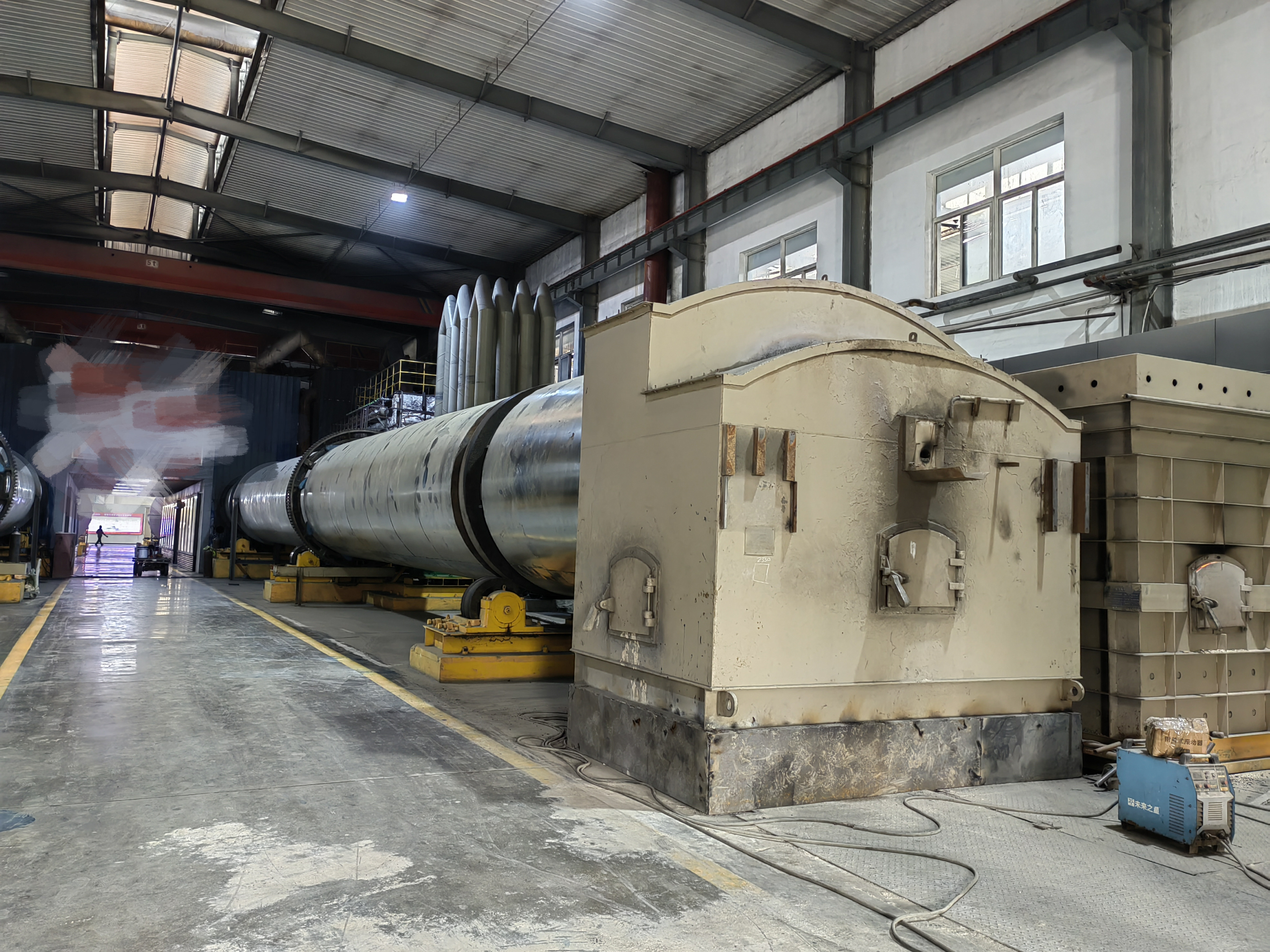
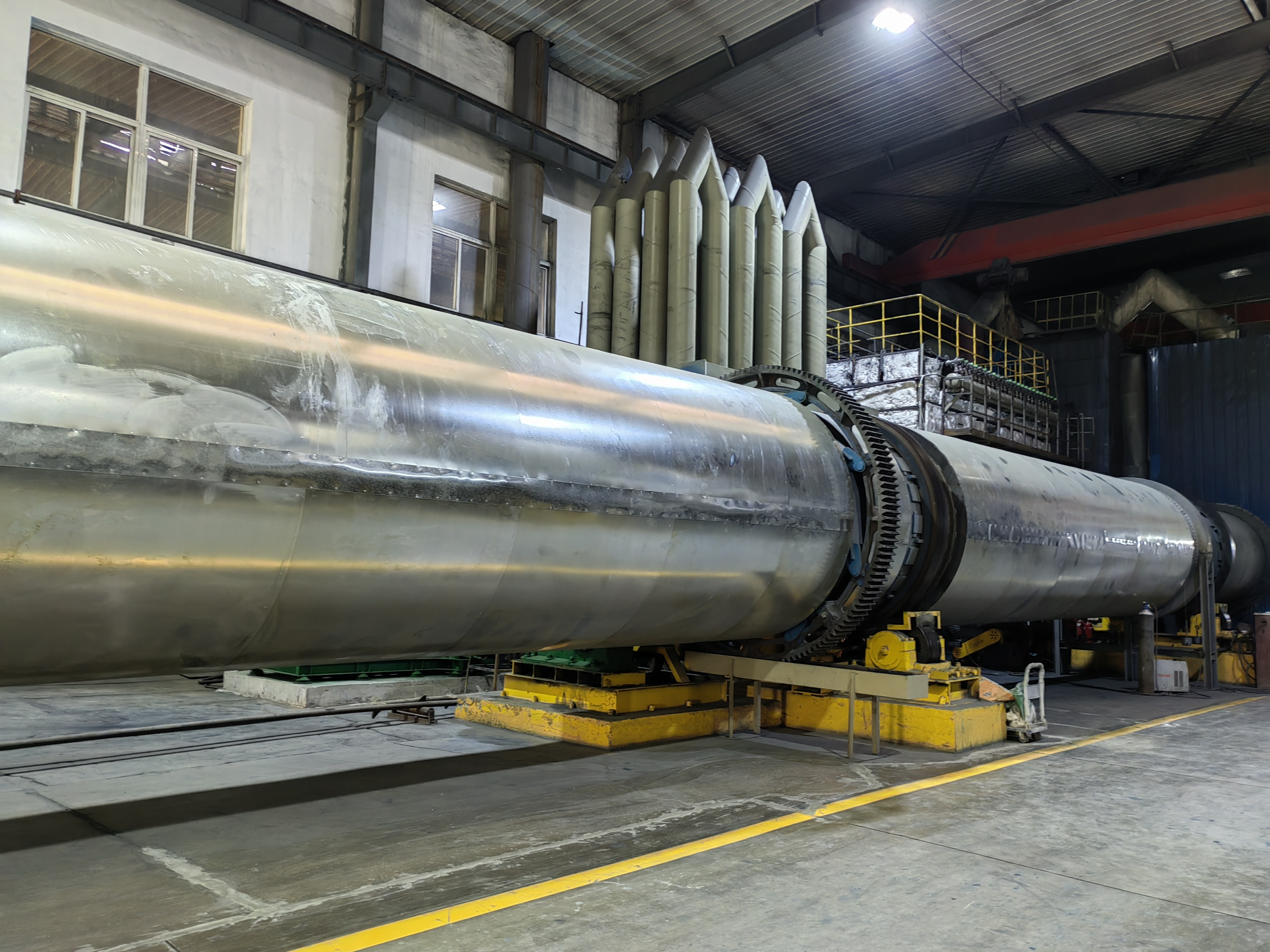
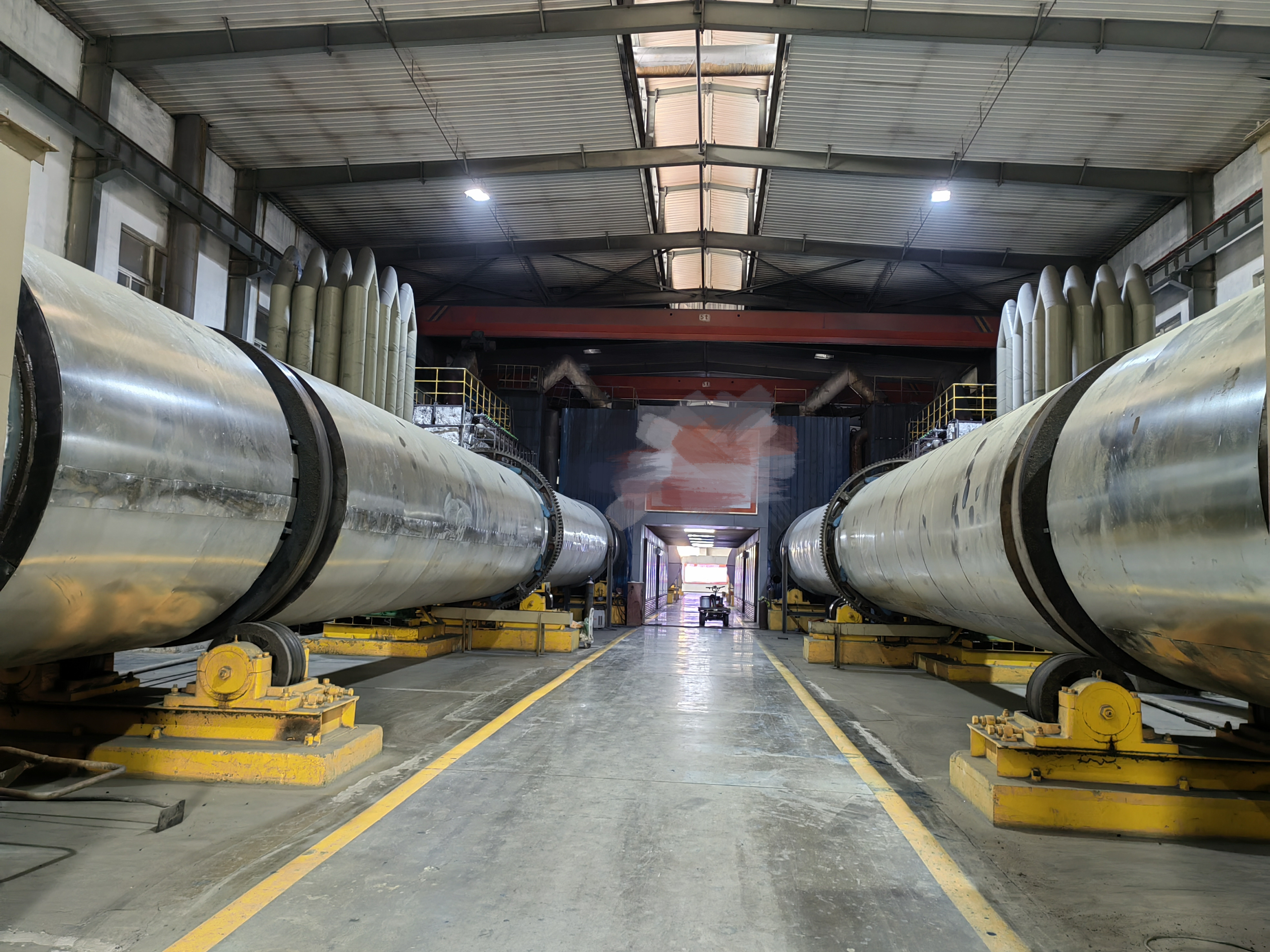
On-site images of a new energy‑efficient rotary kiln for molybdenum iron roasting
Related News
The company offers a wide range of mining equipment for immediate delivery at competitive prices.
Our company currently offers a wide range of mining equipment in stock at competitive prices. For inquiries, please contact: 13324215382 or 0421-7268358.
Contact Us

Tel:+86-421-7268378 +86-421-7268358
Mobile:+86-13324215382
Fax:+86-421-7268328
E-mail:czkf@czochina.com
Add:No. 26, Section 2, Longquan Avenue, Development Zone, Chaoyang City, Liaoning Province, China