

Active Lime Calcination Production Line Solution
Scheme Overview
Active lime refers to lime calcined within the temperature range of 920°C to 1200°C. It is characterized by a porosity as high as 40%, a sponge-like structure, and a low bulk density of 1.7–2.0 g/cm³, along with a large specific surface area that can reach 0.5–1.3 m²/g. Its lime grains are fine, giving it a high melting capacity during slag formation. In practical production, to accelerate decomposition, the calcination temperature is often raised to 1000–1100°C. Due to factors such as the large particle size of the limestone feedstock or uneven temperature distribution within the kiln during calcination, the resulting lime often contains both underburned and overburned fractions. Underburned lime contains calcium carbonate that has not fully decomposed, resulting in poor binding properties when used. Overburned lime exhibits a dense microstructure, frequently coated with a layer of fused material on its surface, and dissolves very slowly. Moreover, since the raw materials often contain magnesium carbonate, the resulting quicklime also contains magnesium oxide as an impurity. Depending on the magnesium oxide content, quicklime is classified into calcareous lime and magnesian lime.
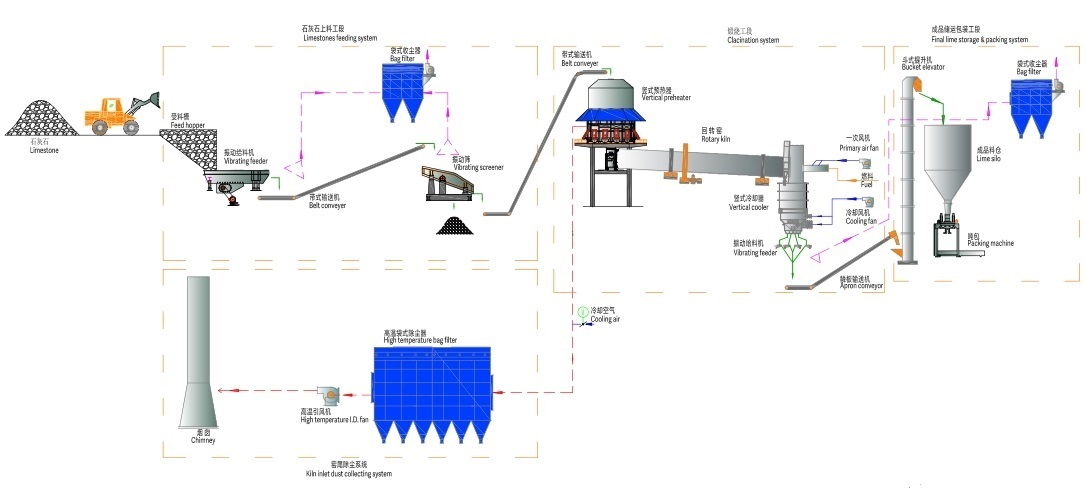
Process flow:
(1) Raw Material Storage, Transportation, and Delivery
Limestone with a particle size of 10–50 mm is transported to the plant site and stockpiled in the material yard, where a loader is used for handling. Qualified material is loaded by the loader into receiving hoppers installed in the yard; beneath these hoppers, a feeder delivers the material at a controlled rate to an inclined belt conveyor, which then conveys it to the screening building. After screening, the limestone meeting the required size specifications is weighed and conveyed via the inclined belt conveyor to the top hopper of the preheater. The fines passing through the screen are transported by Conveyor No. 3 to the stockpile area and periodically removed by a front-end loader.
(2) Limestone calcination
Limestone calcination is carried out using a vertical preheater, a rotary kiln, and a vertical cooler, with a production capacity ranging from 100 to 1,200 t/d. The feed material is fed from the top hopper of the preheater into the preheater chamber via a discharge chute. Simultaneously, high‑temperature flue gases from the rotary kiln preheat the material to above 1,000°C, causing partial decomposition of the limestone. The material is then sequentially pushed by hydraulic rams into the tail end of the rotary kiln, where it undergoes high‑temperature calcination before being discharged into the cooler. Cold air blown by fans cools the material to below ambient temperature plus 60°C, after which it exits the cooler. The air used for cooling in the cooler serves as secondary air, entering the rotary kiln to participate in the combustion process.
(3) Finished-product conveying
After being discharged from the cooler, the finished lime is conveyed via a chain‑plate conveyor, a bucket elevator, and a belt conveyor to the respective finished‑lime storage silos. The discharge valve at the bottom of each lime storage silo is used to load the stored lime into trucks or tank cars for outbound transportation. Storage silos of varying capacities are provided to meet customers’ specific storage requirements.
The finished-product storage utilizes circular silos: two silos for products sized 5–50 mm and one silo for products smaller than 5 mm, with each silo having a capacity of approximately 800 t.
(4) Flue Gas Treatment
The high‑temperature flue gas generated by combustion in the rotary kiln, after heat exchange with limestone in the preheater, is cooled to below 250°C. It then enters a cyclone dust collector for primary dust removal, capturing coarse particulates, before proceeding to a baghouse filter. Following filtration, the cleaned gas is discharged into the atmosphere via a high‑temperature fan, with an outlet dust concentration of less than 30 mg/m³. A cold‑air control system is installed at the inlet of the dust collector to protect the equipment.
Key Advantages:
(1) Regarding lime activity: Rotary kilns employ open‑type calcination, featuring a simple kiln structure and unobstructed gas flow. Sulfur‑containing flue gases can be promptly discharged, and sulfur in the fuel is less likely to adhere to the material, resulting in a low sulfur content in the product that meets steelmaking requirements.
(2) Energy conservation: Installing a vertical preheater at the kiln outlet enables full utilization of the high‑temperature flue gases generated during calcination in the rotary kiln, which not only significantly increases kiln throughput but also substantially reduces the specific thermal consumption per unit of product.
(3) Environmental protection: The flue gas discharged from the kiln‑tail vertical preheater has a low temperature and a low dust content, enabling a simplified downstream flue‑gas treatment configuration and meeting environmental standards.
Process Flow Diagram
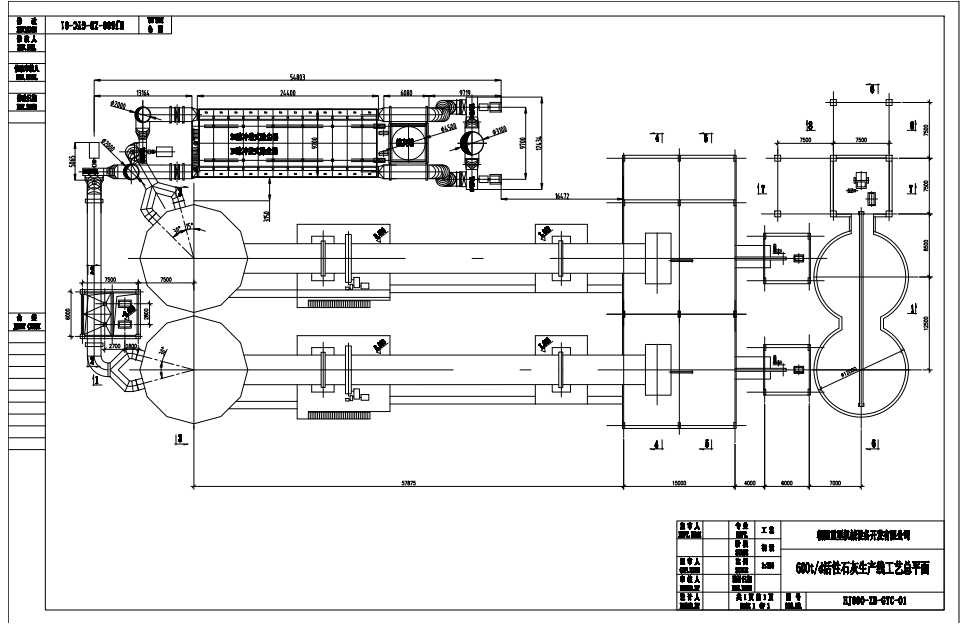
Floor plan
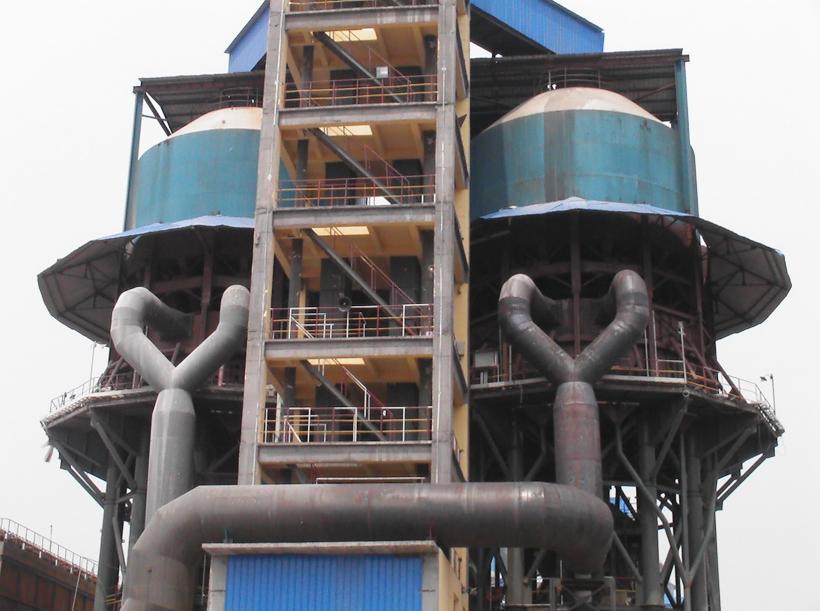
On-site photos
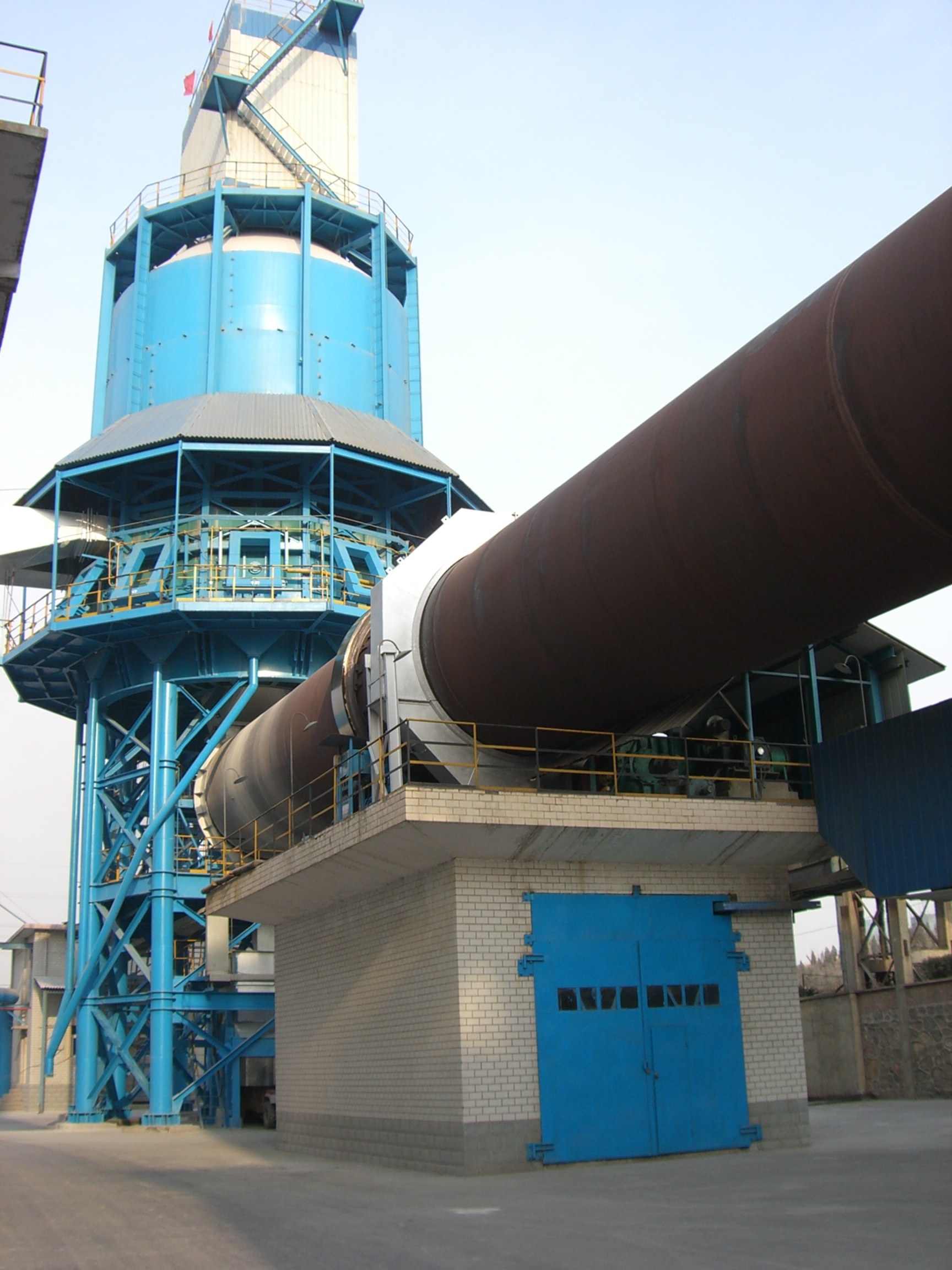
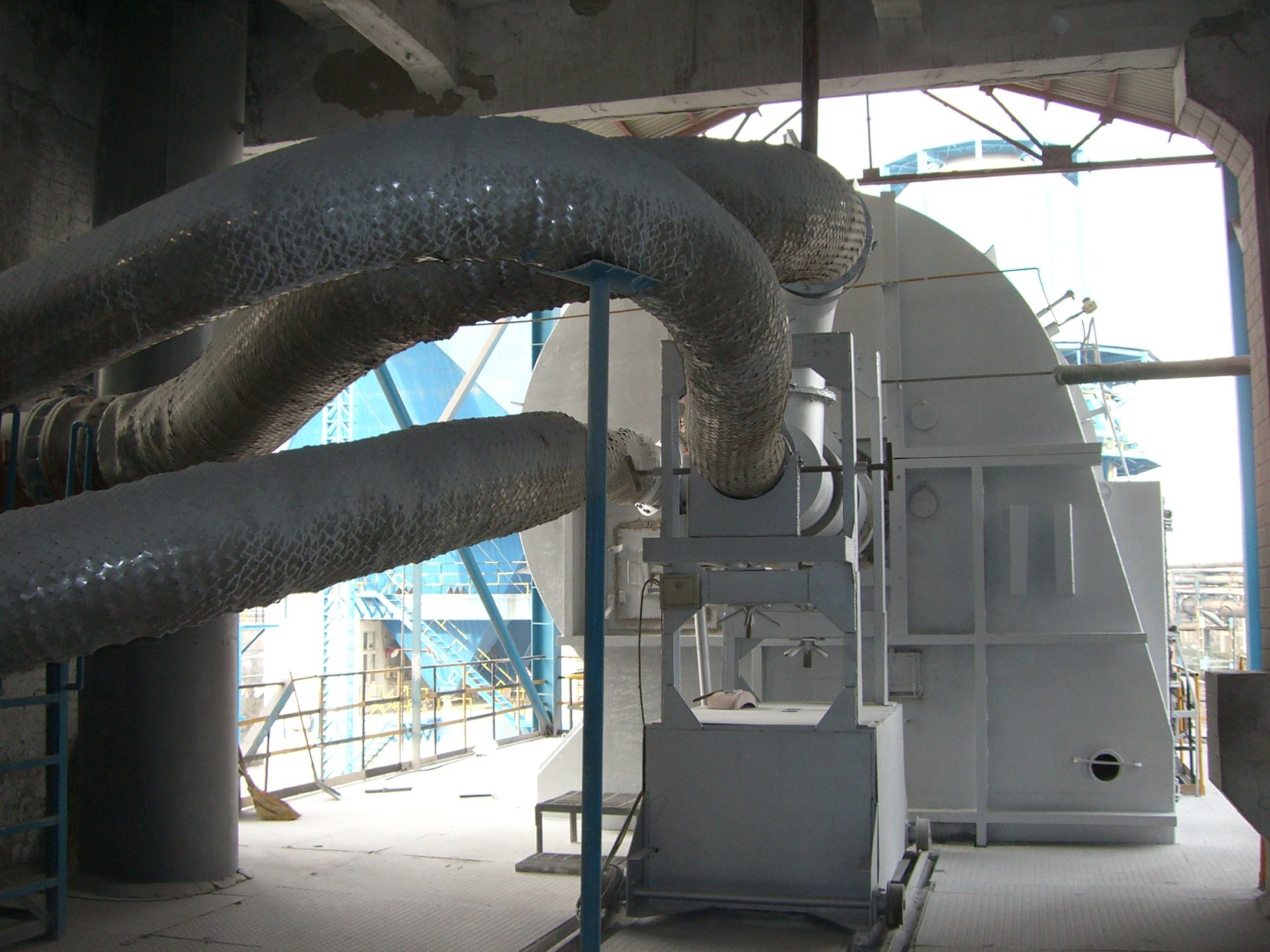
600 t/d production line in Zibo, Shandong 600 t/d Active Lime Preheater 400 t/d Active Lime Rotary Kiln Combustion System
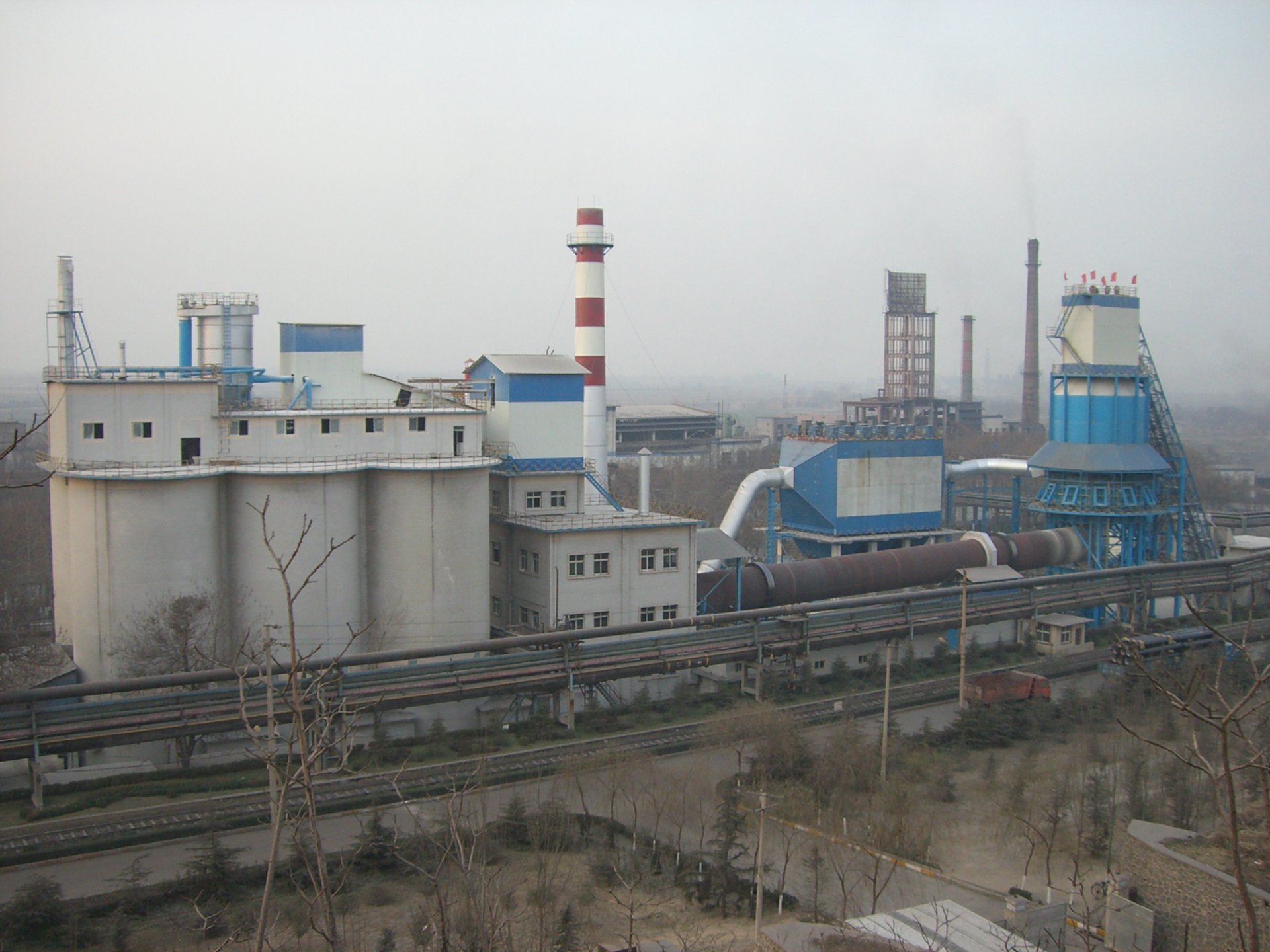
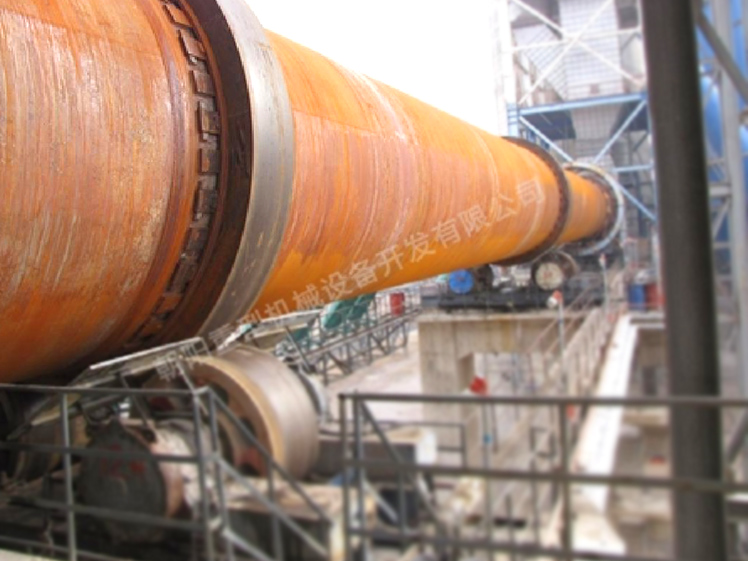
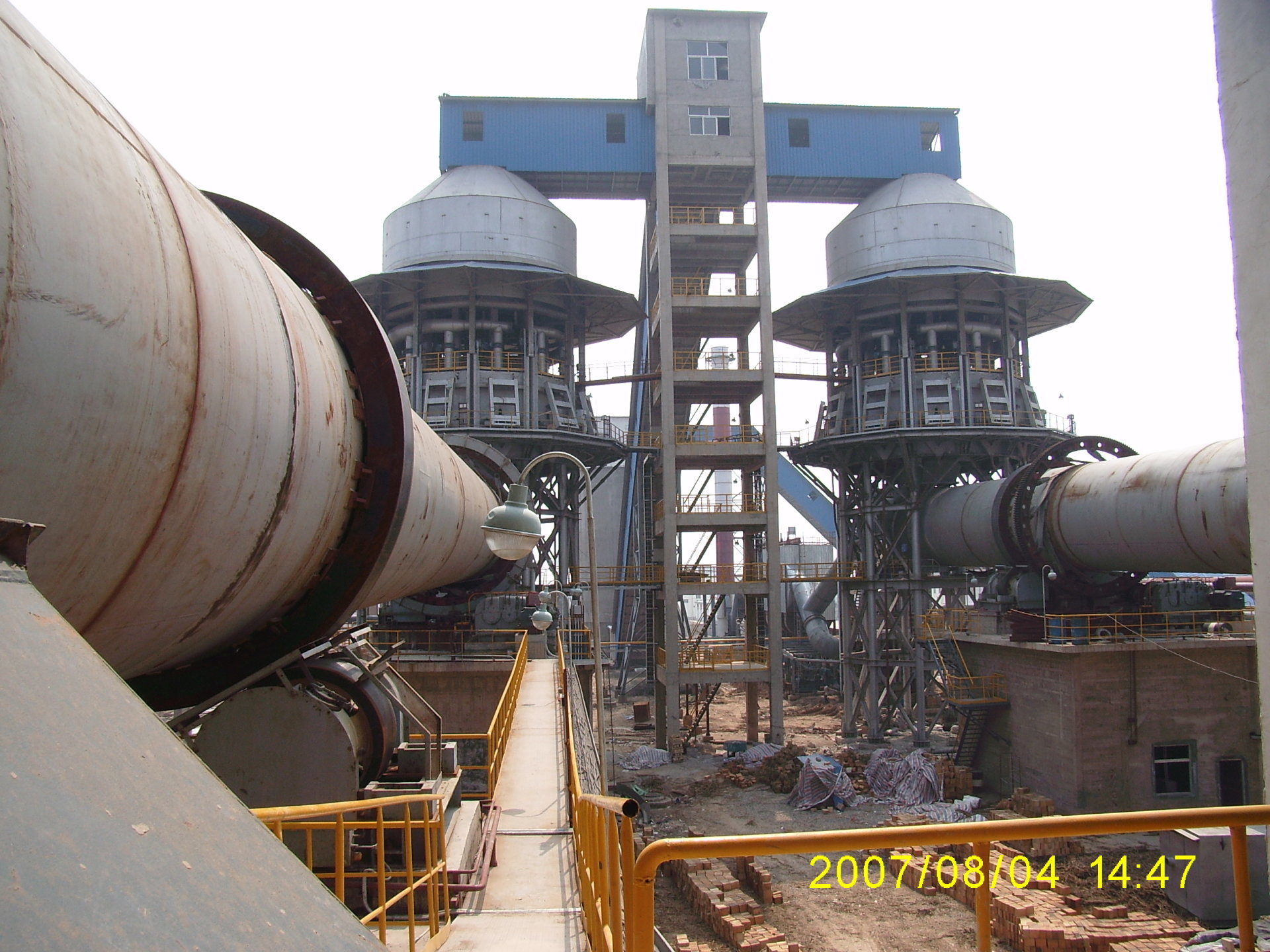
Exterior of the Xinjiang Jinhui 400 t/d production line 400 t/d Active Lime Rotary Kiln 400 t/d Active Lime Preheater
Case

undefined
相关产品
undefined
Contact Us

Tel:+86-421-7268378 +86-421-7268358
Mobile:+86-13324215382
Fax:+86-421-7268328
E-mail:czkf@czochina.com
Add:No. 26, Section 2, Longquan Avenue, Development Zone, Chaoyang City, Liaoning Province, China